

A version of the same sentence keeps coming up when I talk with talent leaders: we bought the tools, and nothing changed.
Sometimes it's an AI sourcing tool. Sometimes it's a new ATS, a scheduling layer, interview intelligence and a chatbot on the career site, all bought close together. The contracts are signed and the logins work. And the real hiring plan still lives in a spreadsheet somebody updates on Friday afternoon.
That gap is the reason Proactive Talent is open again. Before I get into the work, I owe you the story of where I've been.
The short version
Proactive Talent, the recruiting operations and employer brand consulting practice I founded in 2015, is open again as a small, direct practice.
I paused it in 2023 after burning out, took a true sabbatical, and went back to school for AI and machine learning at UT Austin McCombs.
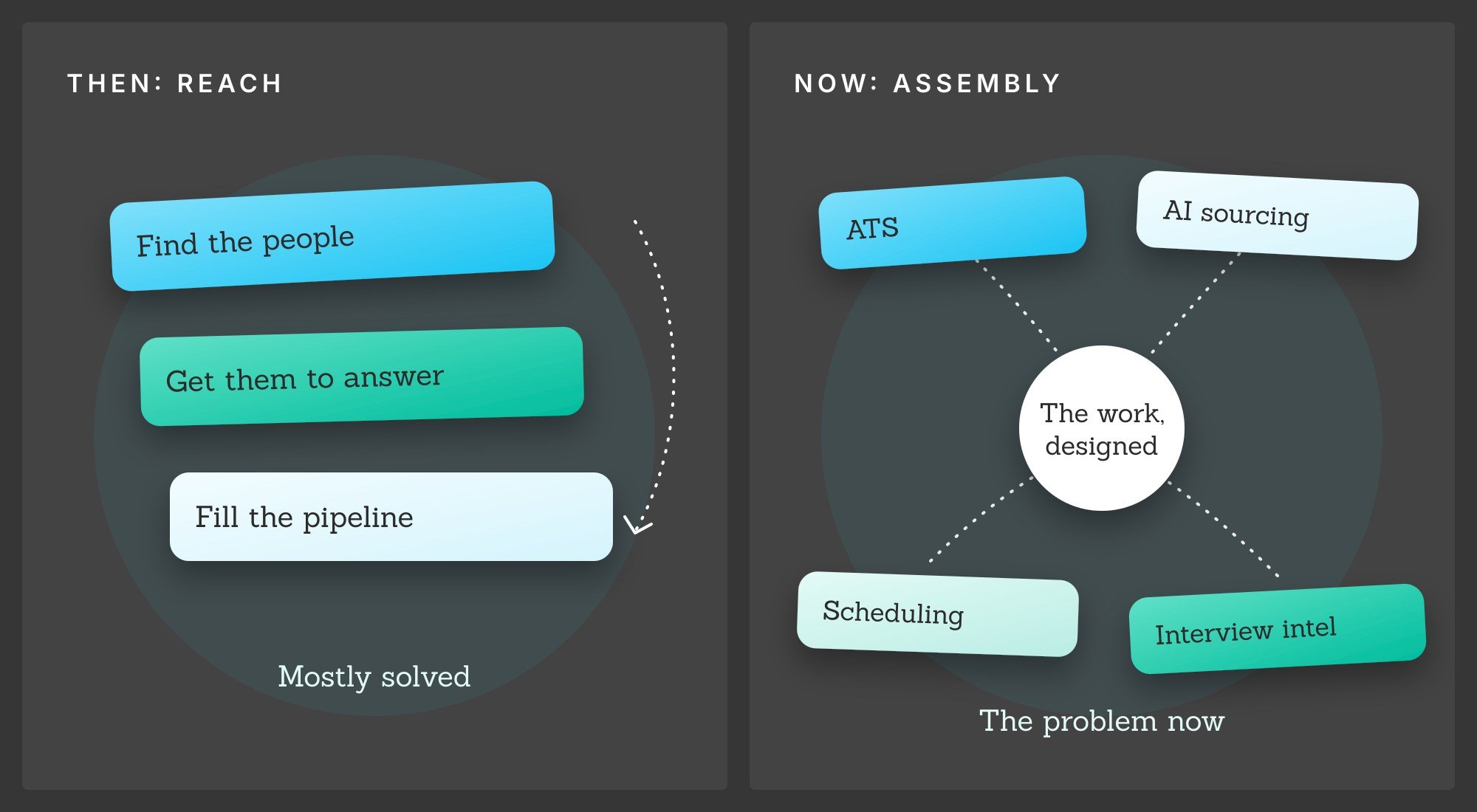
Recruiting's hard problem has moved from reach to assembly. Teams own the tools, and nobody has designed how the work should run.
Talent Brand Alliance is expanding into Talent Alliance Communities, where in-house practitioners learn together and shape where recruiting goes next.
What happened to Proactive Talent?
I founded Proactive Talent in 2015. It grew to more than 75 people at its peak, we worked with over 400 companies, and we made the Inc. 5000 in 2022. I'm proud of that run.
Then I burned out. Hard. It was 2023, and a lot of people in our industry were burning out right alongside me. I'd spent years running on override, and by spring there was nothing left to override with. I needed a pause, so I paused the company.
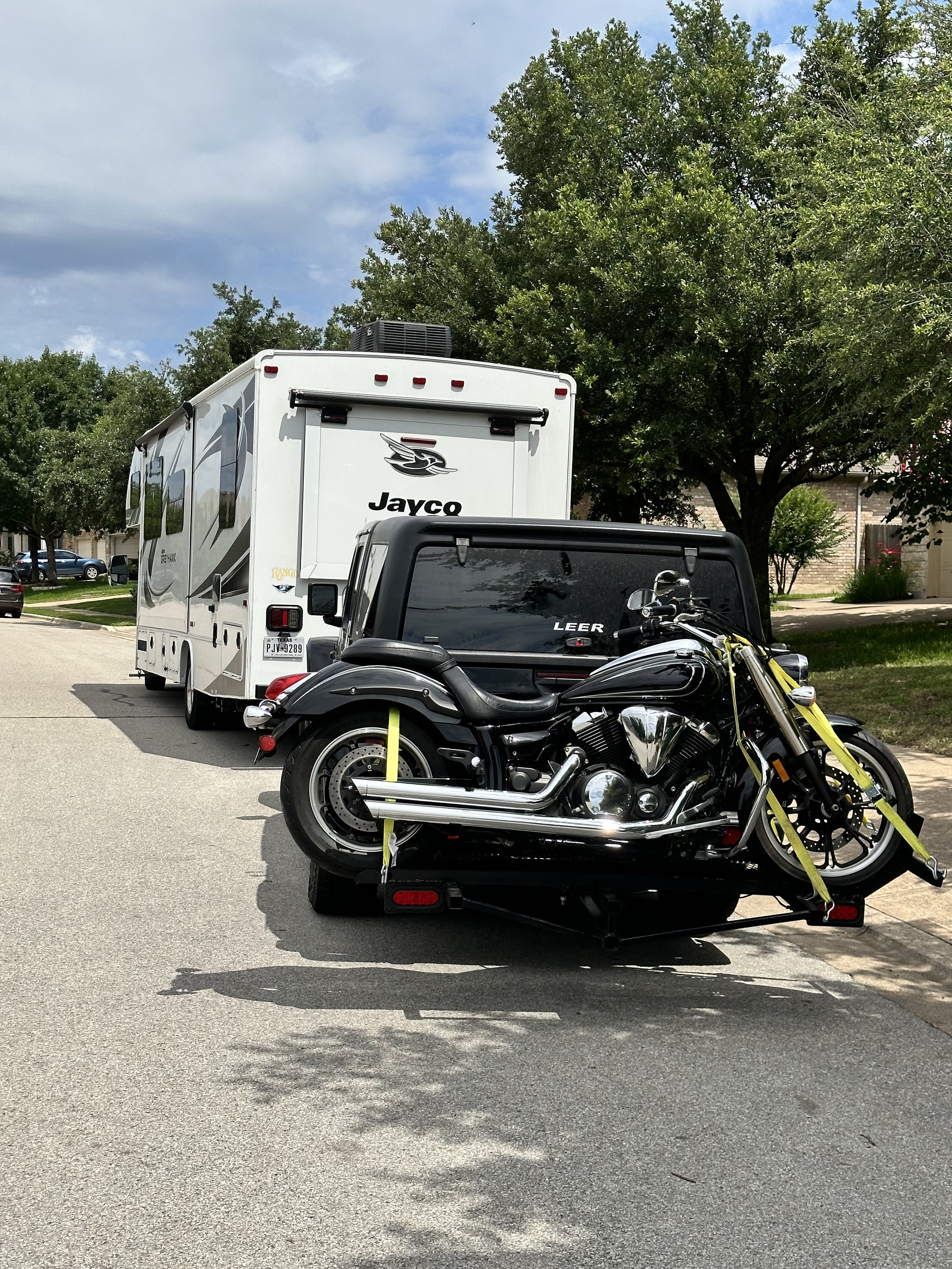
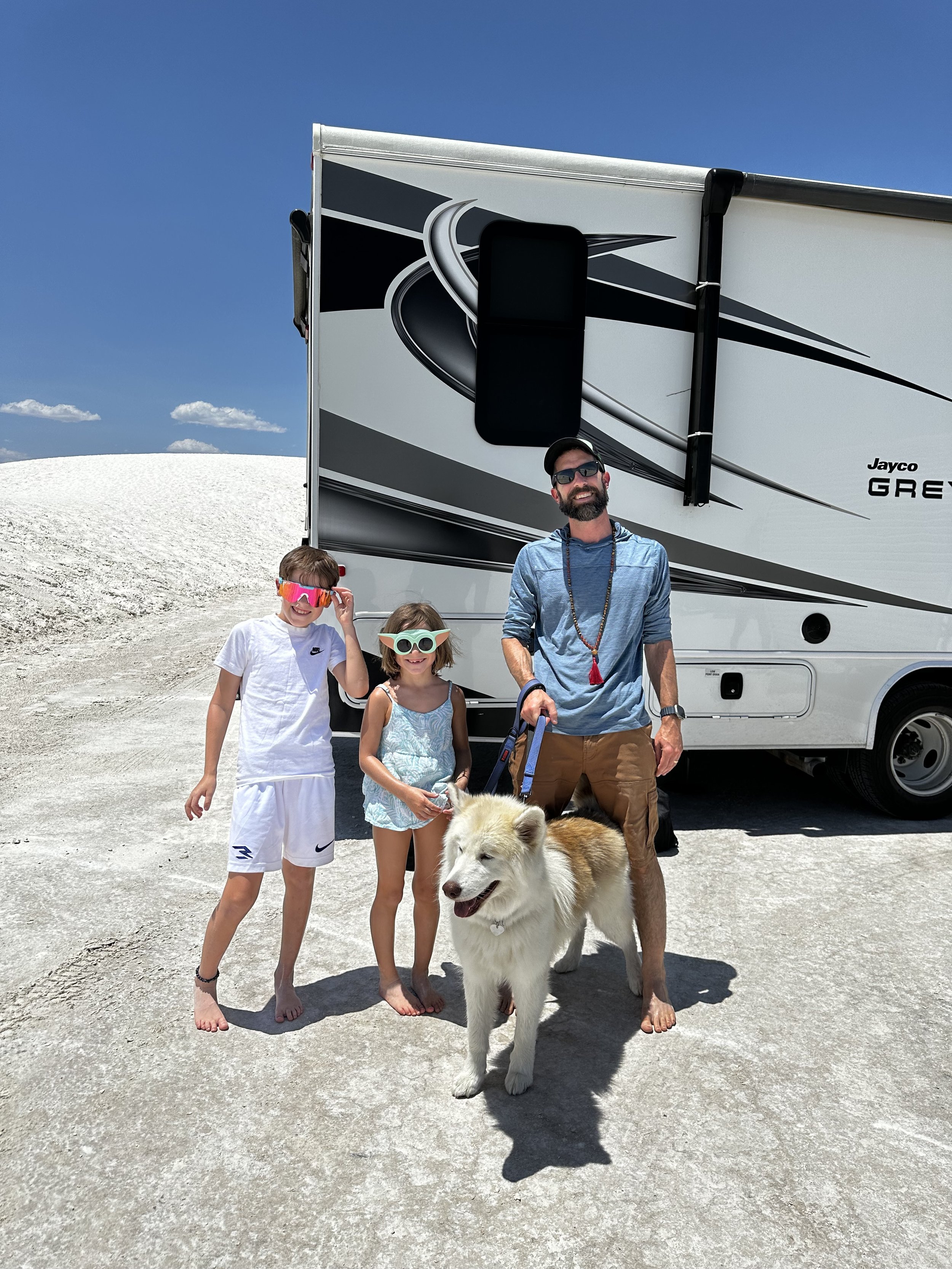
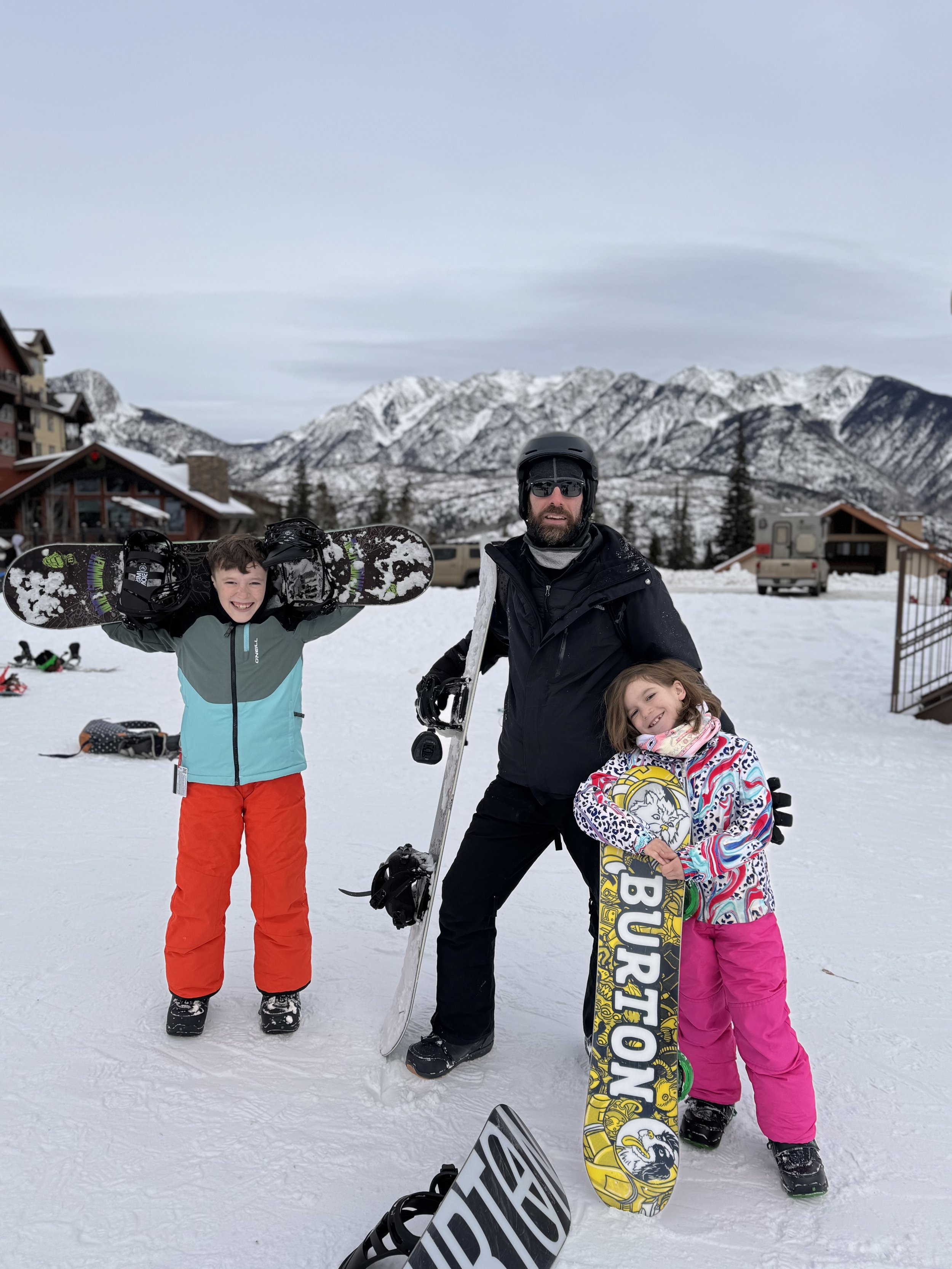
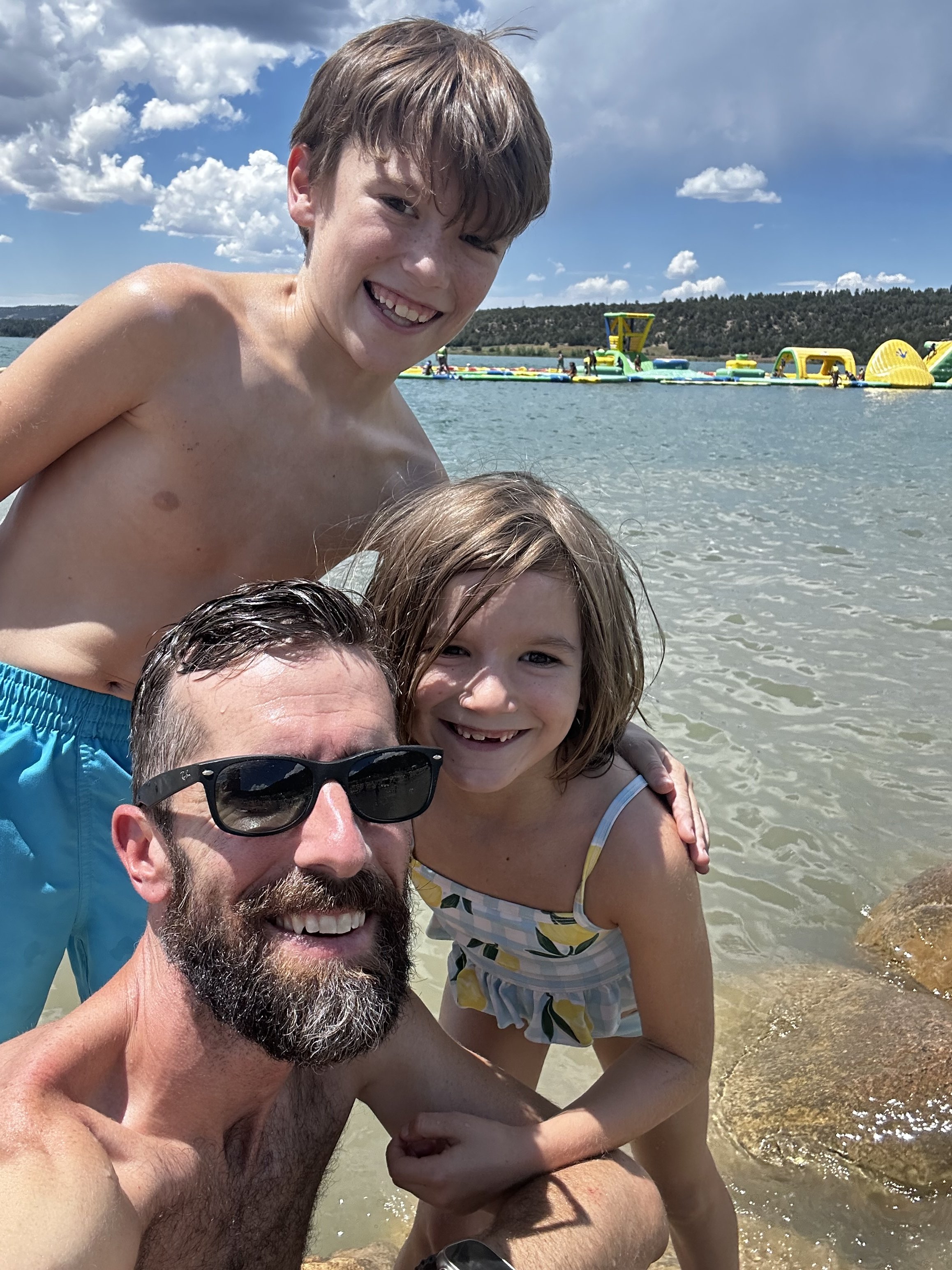
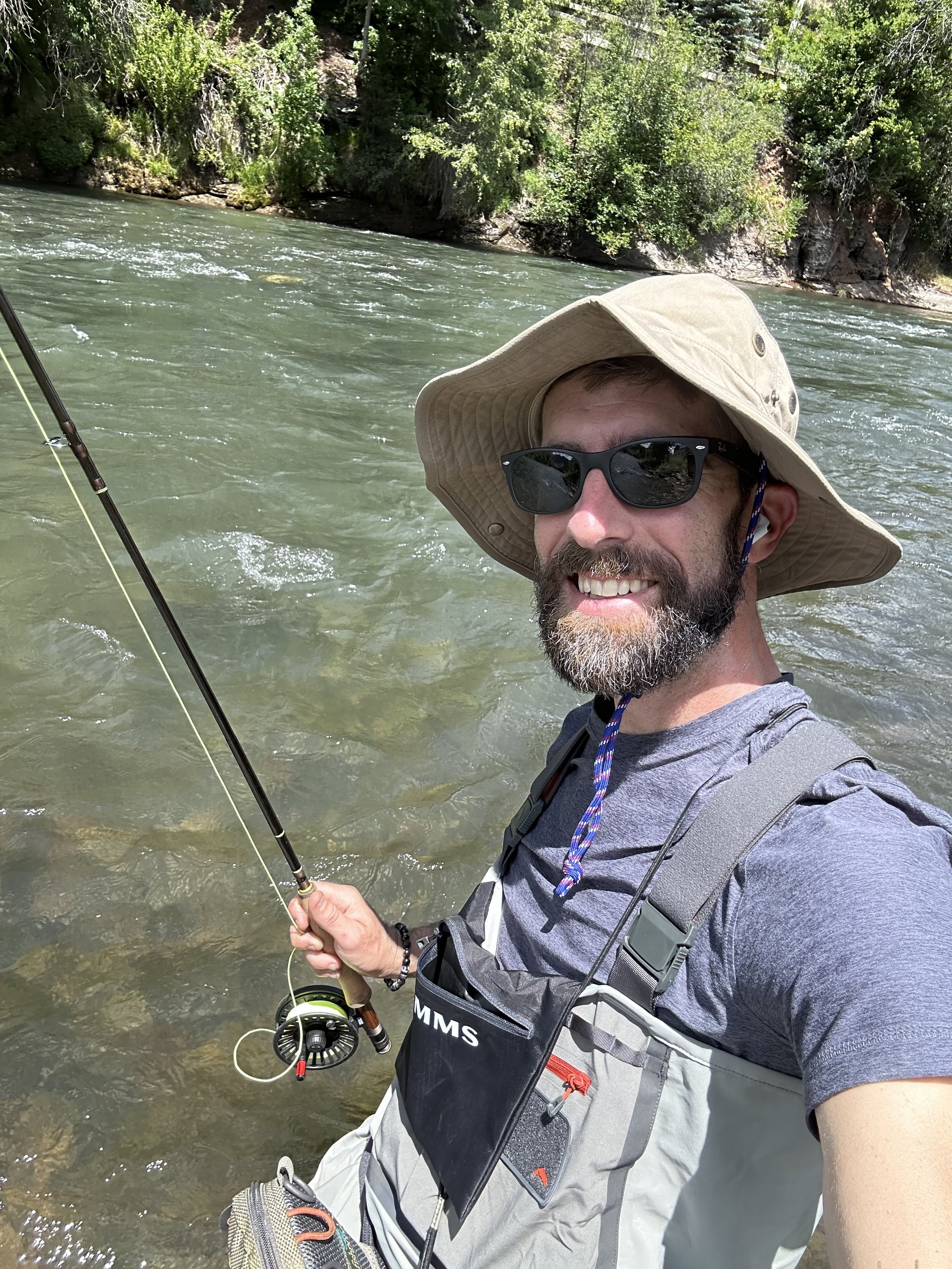
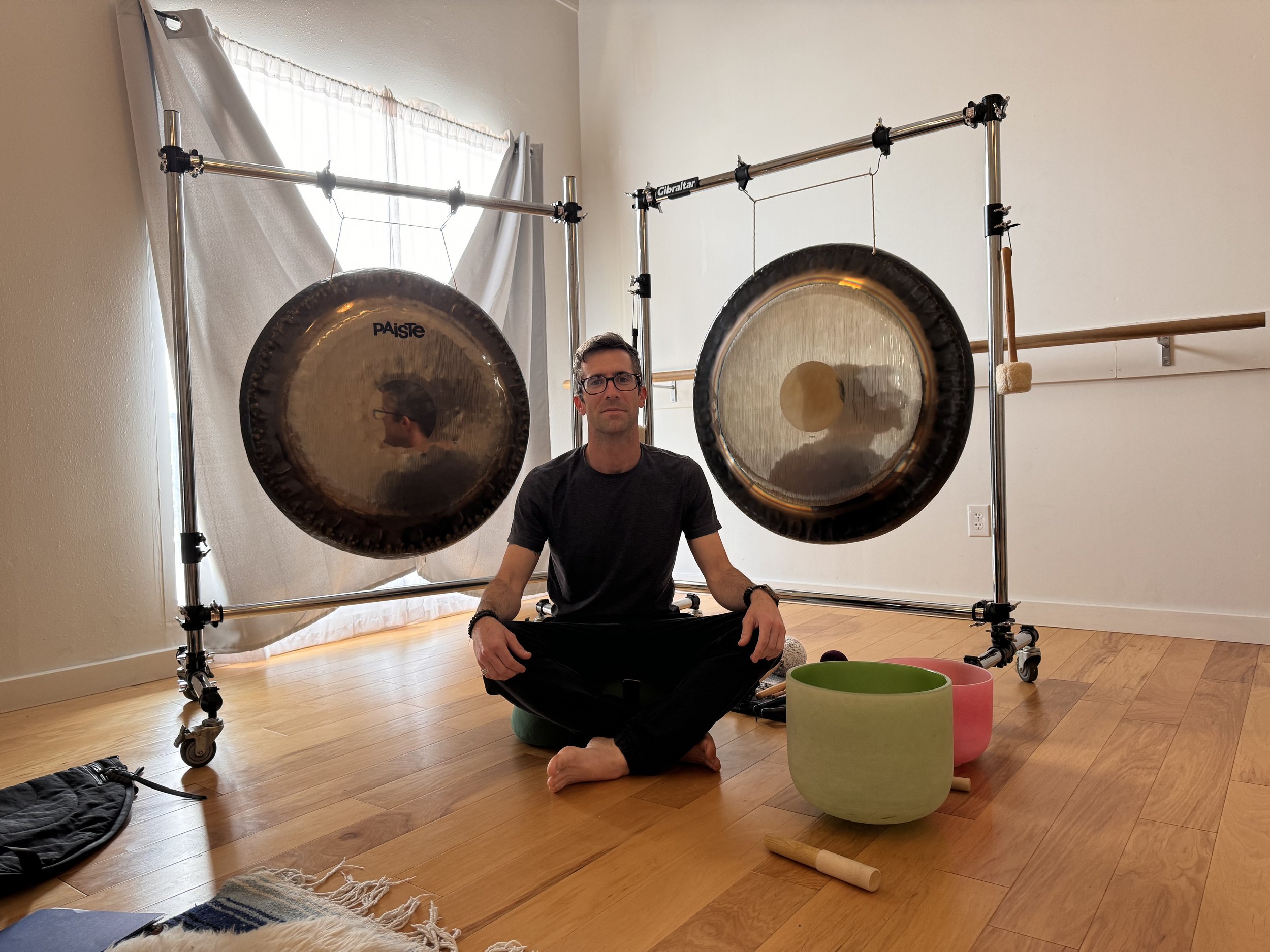
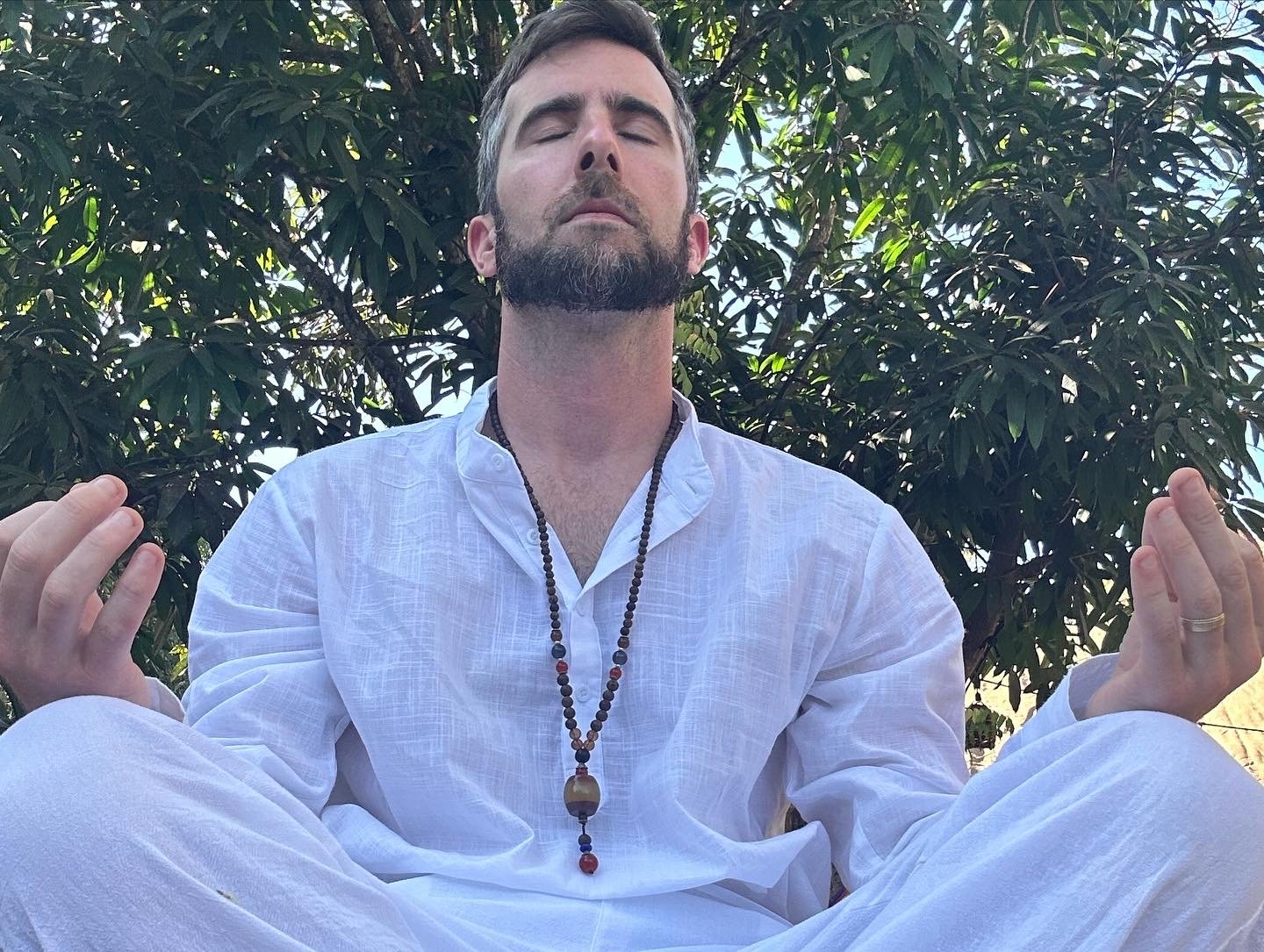
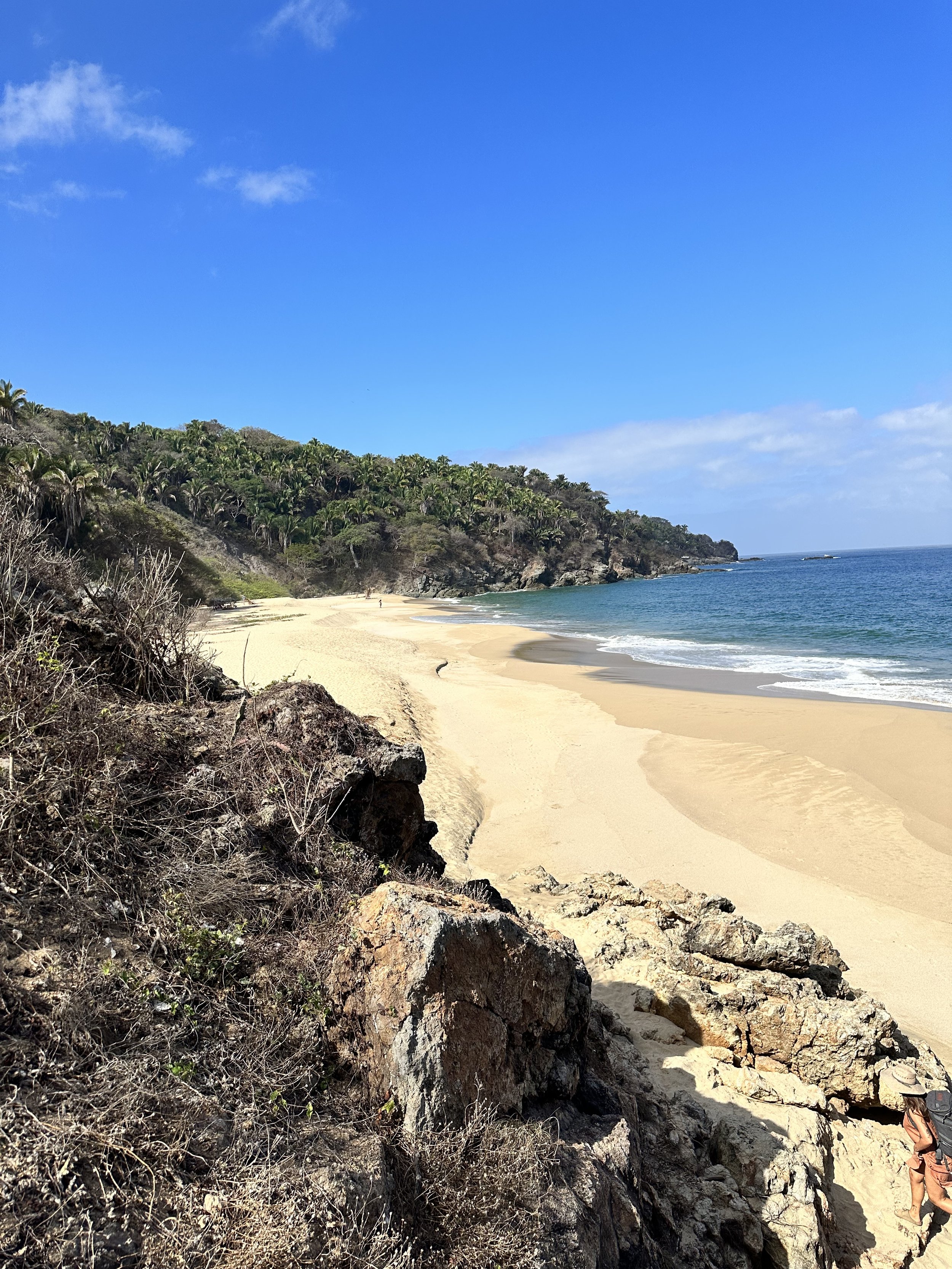
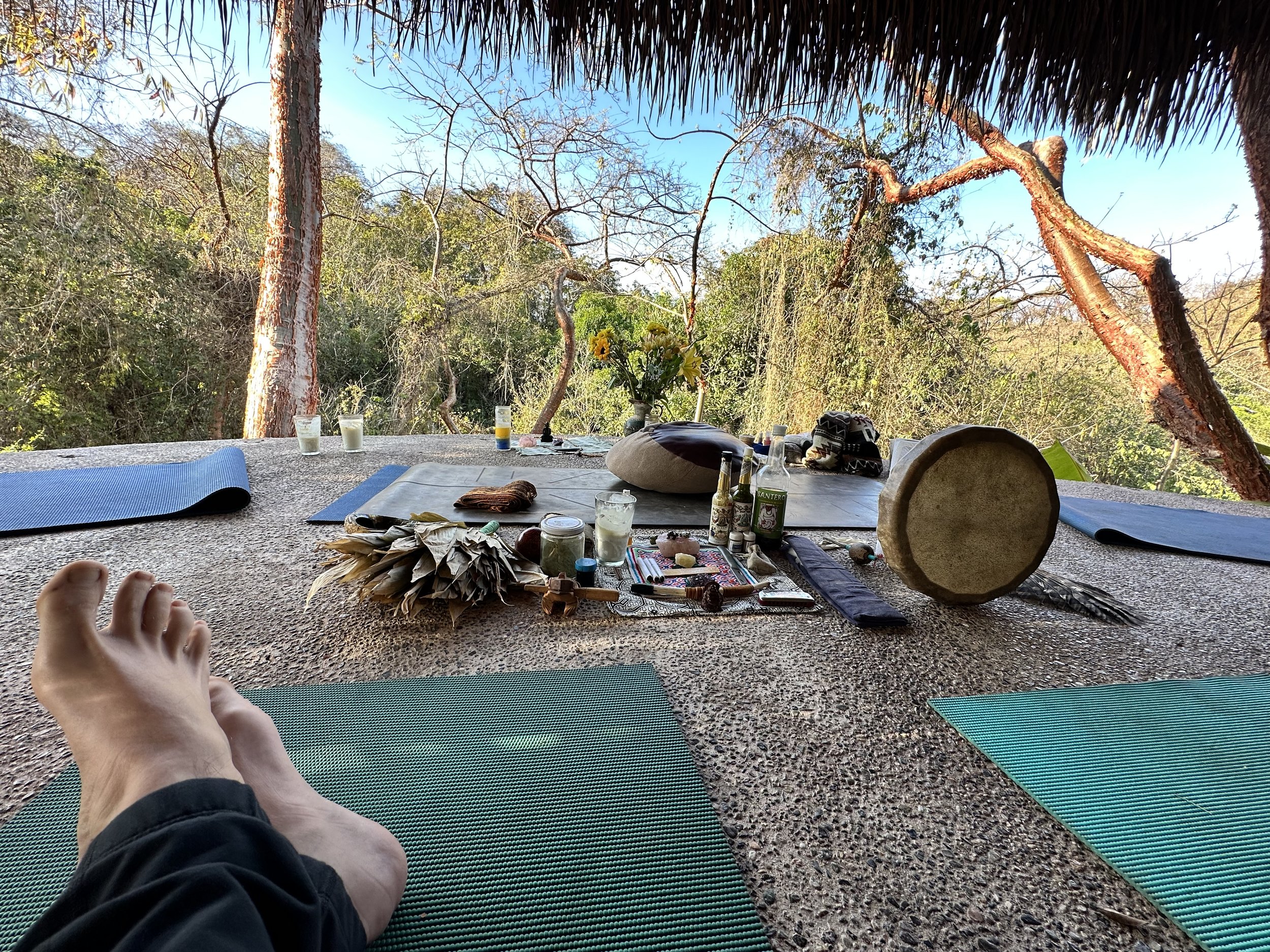
I was lucky enough to be able to take real time off, and I took it. I spent time with my family and traveled. I went through yoga teacher training and learned how to calm my own nervous system, with yoga, meditation and a lot of books. And I went back to school in my 40s, for a postgraduate program in AI and machine learning at UT Austin McCombs. I could see what was coming for our industry, and I wanted to understand it from the inside instead of having opinions about it from the outside.
It was a true sabbatical, and it's one of the greatest investments I've ever made in myself. They say it takes about three years to really recover from burnout like that. For me it was right on cue. The longer, personal version lives on my own site for anyone who wants it.



What two years on the front lines taught me
I almost restarted Proactive Talent two years ago. Instead, I spent the better part of two years leading the U.S. HIGHER community, with almost 14,000 members I more than doubled the HIGHER Leaders Network while I ran it. That chapter ended in October.
It turned out to be the best market research I could have asked for. I wasn't seeing one company's problem at a time. I was on the front lines with talent acquisition, employer brand, and recruiting operations leaders while AI took over every conversation, hearing the same problems week after week. It also taught me what community looks like at a much bigger scale.
Here's what kept coming up:
The AI tools are bought, and nobody can say what they returned.
The recruiting team got smaller, and the hiring plan didn't shrink to match.
The headcount plan changes every quarter, and TA hears about it last.
Someone senior wants to know what recruiting should buy, build or automate, and there's no clean answer.
Nobody has written down what AI is allowed to do in the hiring process.
And one more I recognized right away. The people on these teams are tired. They're handed a new tool every quarter with no plan for how the work should change. They hand off the admin work and pick up more judgment calls in its place, which is harder on the brain, not easier. I know where that road goes, because I've been down it.
None of that is a sourcing problem. For most of my career, the hard problem in recruiting was reach. Find the people, get them to answer, get enough of them into a pipeline. A whole industry grew up to solve that, and it mostly did.
The problem now is assembly. A head of TA at a company of a few thousand people often owns more capability than their team has ever had. What they don't have is the time to wire it together, or a clear rule for which work belongs to a person and which belongs to a machine. That's a design problem. And design is the work I know how to do.
Why restart Proactive Talent now?
Two things changed, one in the industry and one in me.
The problem got urgent. Companies spent the last two years buying AI. Now leadership wants to know what it bought, and talent leaders are being asked to hire the same or more with fewer people.
And I'm ready in a way I wasn't before. Nearly 20 years in talent acquisition and employer brand. A real grounding in how AI systems work. Two years of listening to talent leaders describe exactly where they're stuck. And the healing to do this work without running myself into the ground again. I've lived the shift I'm now helping people through.
I also know how I want to build it this time. Proactive Talent comes back as a small, direct practice. I only take on a few clients at a time, and I choose to work with people I like and where I can actually change how hiring runs.
What does Proactive Talent do now?
Proactive Talent is a recruiting operations and employer brand consulting practice, built around three services. Every one starts with an audit or a discovery, because I don't design anything I haven't watched your team do first.
Recruiting operations
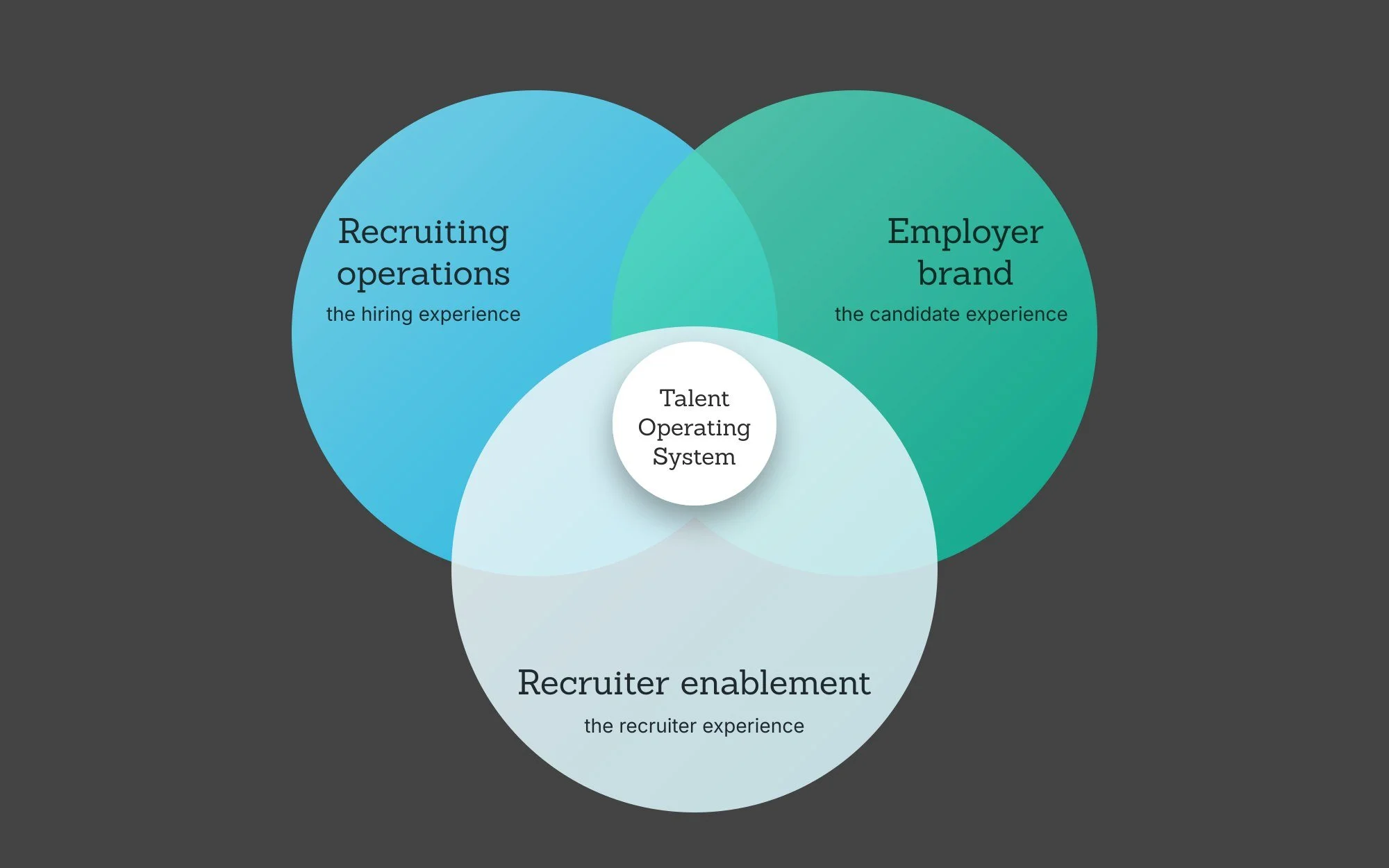
Recruiting operations, in plain terms, is the design of how hiring gets done: the workflow, the tech stack, the data and the rules for where AI does the work and where people do. It starts with the Recruiting Operations Audit, two to four weeks inside your systems and with your people.
Employer brand architecture
How your company shows up to candidates before a recruiter ever calls, and how your recruiters tell that story every day. I build the EVP as a living system that feeds job descriptions, outreach and sourcing, and keeps updating as the business changes. It starts with the Employer Brand Audit.
Recruiter enablement
How your recruiters work inside the system once it exists. Hands-on labs and playbooks for the tools they already have, starting with a short discovery.
I scope and price that first phase only. The most common reason talent leaders give me for not bringing in outside help is the size of the commitment. So the first phase is short, ends with a readout and one recommended next step, and you decide whether to take it. I'd rather earn phase two than pretend I already know what it looks like.
Underneath all of it is the Talent Operating System, the framework I use to connect hiring to everything else a company knows about its people.
What I don't do anymore matters just as much. I don't do embedded or contract recruiting, and I don't produce content or video. If what you need is more hands on reqs, I'll tell you on the first call and point you to someone good.
Where do the communities fit?
Consulting fixes one company at a time. That has never been enough for me.
I've been building practitioner communities since 2012, when I started Talent Brand Alliance as a Facebook group for employer brand people. Some of my favorite moments in this industry happened there. Our virtual summit in 2020, in the middle of COVID, was raw in the best way. Everybody showed up to help each other, and a lot of employer brand people found their next role through that network.
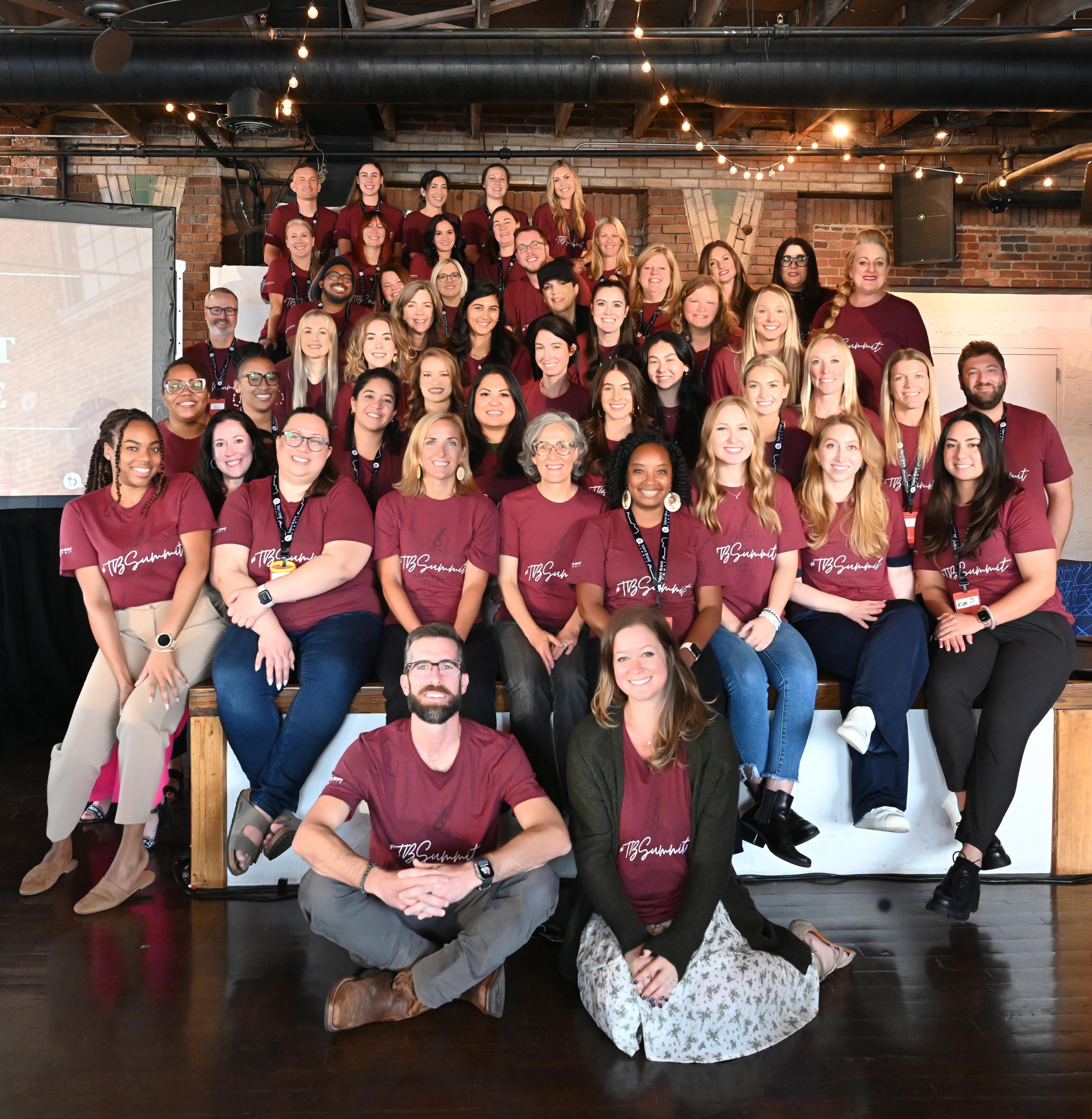
Talent Brand Summit in Nashville - 2023
But the old model wasn't sustainable. It ran on more than 100 volunteers, plus operations and event staff, all building toward one big summit a year. And the industry it was built for has changed.
I actually started this expansion in 2023, before my sabbatical, under the name Recruiting Alliance. It had to wait. Now I'm finishing it. Talent Brand Alliance is expanding into Talent Alliance Communities, the same organization rebuilt for where the work is going. The roles are blending. In a lot of companies, the TA leader now owns performance management, learning and development, and internal mobility as well. Employer brand people are picking up internal communications. Ops people are building the systems everyone else runs on. Those groups aren't going away, but what they do every day is shifting, and plenty of people live in more than one of them. So there are now three communities with common ground between them. Talent Brand Alliance stays home for the storytellers. Talent Leadership Alliance is for the leaders who own TA and set its strategy. Talent Operations Alliance is for the people who build recruiting systems. Membership is for in-house practitioners only.
AI is what makes this possible, and it's also why it matters. AI made knowledge cheap. You can't gatekeep it anymore, which is why I think the old association model has run its course. What's still scarce is context, the chance to work a problem through with peers who are living it too. So the community runs on small peer circles, virtual roundtables, build labs where we make things together, and local dinners, with a shared knowledge base that belongs to the members instead of a vendor with an agenda.
I also want every member to have a voice in where it goes. This isn't a top-down thing. There aren't many practitioner-run communities like this left, and that's exactly why I'm building one.
To me, it's an extension of the same work. Proactive Talent is where I help one company redesign how it hires. Talent Alliance Communities is where we all learn together and collectively decide where recruiting goes next. I'd rather the people doing the work shape the future of this profession than whoever has the biggest marketing budget.
That only works if the rooms are safe. Nobody gets pitched in the community platform, and that includes me. Programming starts in December, and the full launch is January 12, 2027. If you work in-house in talent, you can see what's coming at talentalliance.org.
When am I the wrong call?
Being small cuts both ways. If you need a large team inside your company next month, I'm not your answer.
If your problem is truly volume, with solid systems and too few recruiters, an audit will mostly tell you what you already know. Hire the recruiters.
And if your company isn't ready to change how the work gets done, a new design won't help. I'd rather tell you that on a thirty-minute call than in week three of an audit.
Questions talent leaders ask about this
What does Proactive Talent do?
Proactive Talent is a recruiting operations and employer brand consulting practice founded by Matt Staney in 2015. It works across recruiting operations, employer brand architecture and recruiter enablement, and every engagement starts with an audit or a discovery.
Does Proactive Talent do contract or embedded recruiting?
No. Proactive Talent designs how hiring works and teaches teams to run it. When a company needs more recruiting capacity, Matt refers them to a partner who does that work.
Is Proactive Talent part of Talent Alliance Communities?
No. Proactive Talent is Matt Staney's consulting practice. Talent Alliance Communities is Talent Brand Alliance, the practitioner community he founded, expanded into three communities for in-house talent practitioners. There's no selling inside it.
Where to start
If you want a quick read on where your function stands, the maturity stage check takes a few minutes and places your team on the maturity model. If you'd rather talk it through, book a 30-minute intro. No deck. You tell me what's broken, and I'll tell you honestly whether I'm the right person to fix it.
I'm also taking a few founding clients. That window closes for signatures on December 18, 2026.
I'm ready, and it's good to be back. So here's the question I'm asking every talent leader I talk to this month: which tool did you buy that your team still works around?
